
The Oldest Trick of Failing Authoritarians
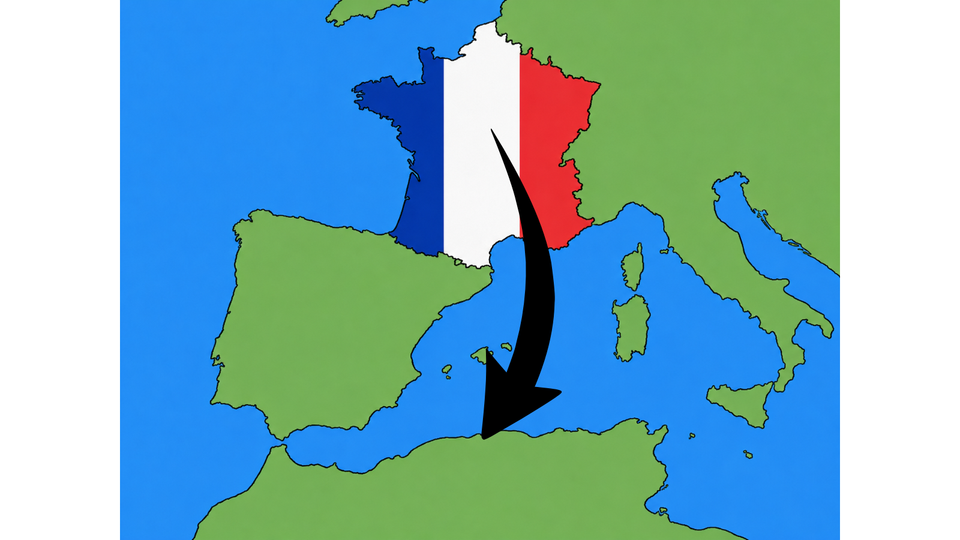
(Text modified from a campaign email sent on March 5, 2026)
Kings have been trying – and failing – this gimmick for hundreds of years.
When leaders start losing support at home, some of them look for salvation in a foreign war. As a former history teacher, I can tell you: it doesn’t work.
In 1830, the King of France, Charles X, was in serious political trouble. His government was losing support, elections were approaching, and opposition to his increasingly authoritarian rule was growing. So, he launched an invasion of Algeria on a flimsy pretext.
At first, the better-armed and better-funded French military easily overpowered the defenses of Algiers. The king believed a quick military victory would rally the French people around him and restore his political strength. But the war lacked a rationale or long-term plan, and hostilities dragged on.
The French people saw through it. They understood that an unjustified attack abroad was an affront to their own liberties at home.
The king’s party soon lost the election. When he tried to cancel the results and crack down on the press, the public rose up. Within three days, Charles X was forced into exile.
The French understood something important: a leader who would gamble with war to save himself could not be trusted with power. And a leader who attacks elections has already turned against the people he is supposed to serve.
Right now, Donald Trump has begun a war with Iran on flimsy pretext while his support collapses at home. And he is working to undermine elections domestically.
History should make this moment clear.
But too many Democrats in Congress are still responding as though Trump were a normal president. Instead of calling for Trump’s removal, their strategy is to call for a redundant war powers vote expected to fail, hoping to “get Republicans on the record” for use in future campaigns.
That’s not leadership. It’s playing politics when lives are on the line.
When democracy is under threat and the country is being dragged to war, the job of Congress is not to set up talking points for the next election. It is to fight.
In this case, the Constitution tells us what kind of fight is required: impeachment and removal.
Congress has a constitutional responsibility to act when a president abuses power, undermines elections, and starts an illegal war. That responsibility does not disappear because the votes are difficult. It does not disappear because Republicans may refuse to meet the moment. And it does not disappear because some Democrats would rather save the argument for a campaign ad.
The question is not whether removal is easy. The question is whether removal is necessary.
That is why our demand must be impeachment and removal. Not symbolic gestures. Not doomed messaging votes. Not carefully worded statements of concern designed to become campaign material later.
Every member of Congress should be judged by whether they are willing to say so – and then act accordingly.
Representatives who understand that danger but refuse to act are not neutral observers. They are enabling him.
We should demand impeachment and removal.
Follow Alex Rikleen on Bluesky at @rikleen.bsky.social.
Member discussion